

Publishing a research paper in a Scopus indexed journal is an important milestone for students, researchers, and faculty members. It improves your academic profile, increases research visibility, and opens opportunities for higher studies, promotions, and collaborations. If you’re publishing for the first time, this guide will help you understand the complete process. Why Publish in a Scopus Indexed Journal? Publishing your research in a Scopus indexed journal offers several academic and professional benefits. Scopus is one of the world’s leading abstract and citation databases, indexing high-quality peer-reviewed journals across various disciplines. A publication in a Scopus journal enhances your research credibility, improves visibility, and increases citation opportunities. Researchers, faculty members, and students often prefer Scopus journals because they are widely recognized by universities, research institutions, and funding organizations. A well-published paper can also strengthen your academic profile for higher education, promotions, and international collaborations. A well-written research paper published in the right Scopus indexed journal not only shares knowledge with the global research community but also strengthens your academic and professional career. Before submitting your manuscript, ensure that your research is original, follows the journal’s author guidelines, and has a low plagiarism score. Selecting the right journal, preparing a strong manuscript, and responding effectively to reviewer comments can significantly improve your chances of publication. Key Benefits of Publishing in Scopus Journals Increase your academic credibility and global recognition. Improve citation opportunities and research visibility. Enhance your CV for higher education and faculty promotions. Meet publication requirements for universities and research institutions. Connect with an international network of researchers. Support future research collaborations and funding opportunities.
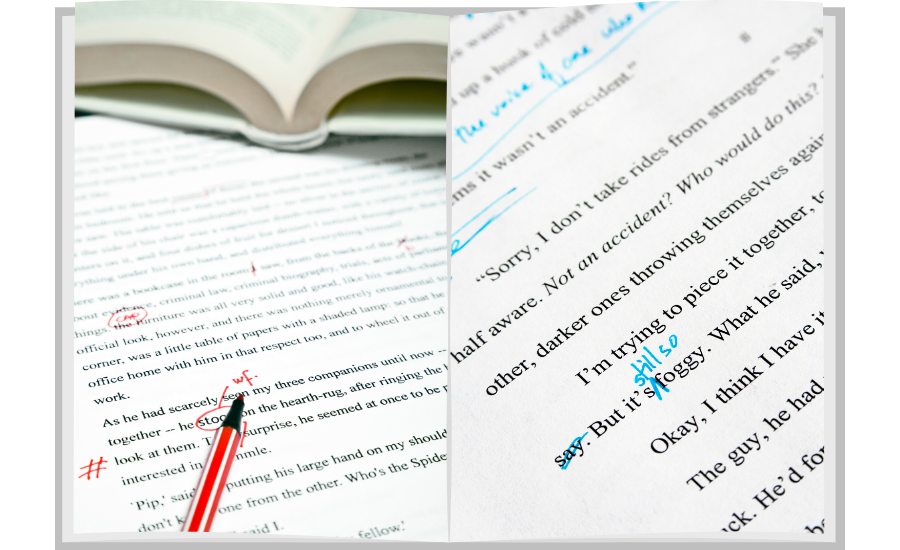
Research Paper vs Review Paper vs Thesis vs Dissertation: What’s the Difference?
Publishing and academic research involve different types of documents, including Research Papers, Review Papers, Theses, and Dissertations. Many students and researchers often confuse these terms because they all relate to academic writing. However, each document has a unique purpose, structure, and level of research. If you’re beginning your academic journey, this guide will help you understand the key differences between these research documents. Understanding Research Papers, Review Papers, Theses & Dissertations Academic writing is an essential part of higher education and research. A Research Paper presents original findings based on your own study, while a Review Paper summarizes and analyzes previously published research. A Thesis is generally submitted as part of a master’s degree, whereas a Dissertation is a comprehensive research project completed during a PhD program. Choosing the correct document depends on your academic level, research objectives, and university requirements. Understanding these differences helps you prepare high-quality work and meet academic standards. Understanding the difference between a Research Paper, Review Paper, Thesis, and Dissertation helps students choose the right academic path and produce high-quality research with confidence. Before starting your research, always identify your academic requirements, research objectives, and the expected document format. Proper planning saves time, improves research quality, and increases the chances of academic success. Why Understanding These Academic Documents Matters Helps select the correct type of academic document. Improves research planning and writing skills. Reduces confusion during university submissions. Builds a stronger academic and research profile. Supports successful journal publication. Prepares students for higher education and professional research.